

Sushi Restaurant Costs in Toronto
Sushi restaurants face distinct expenses that set their menu prices in Toronto. High quality fish arrives daily from distant ports while city rents and wages add layers of overhead that owners must cover through each plate served.
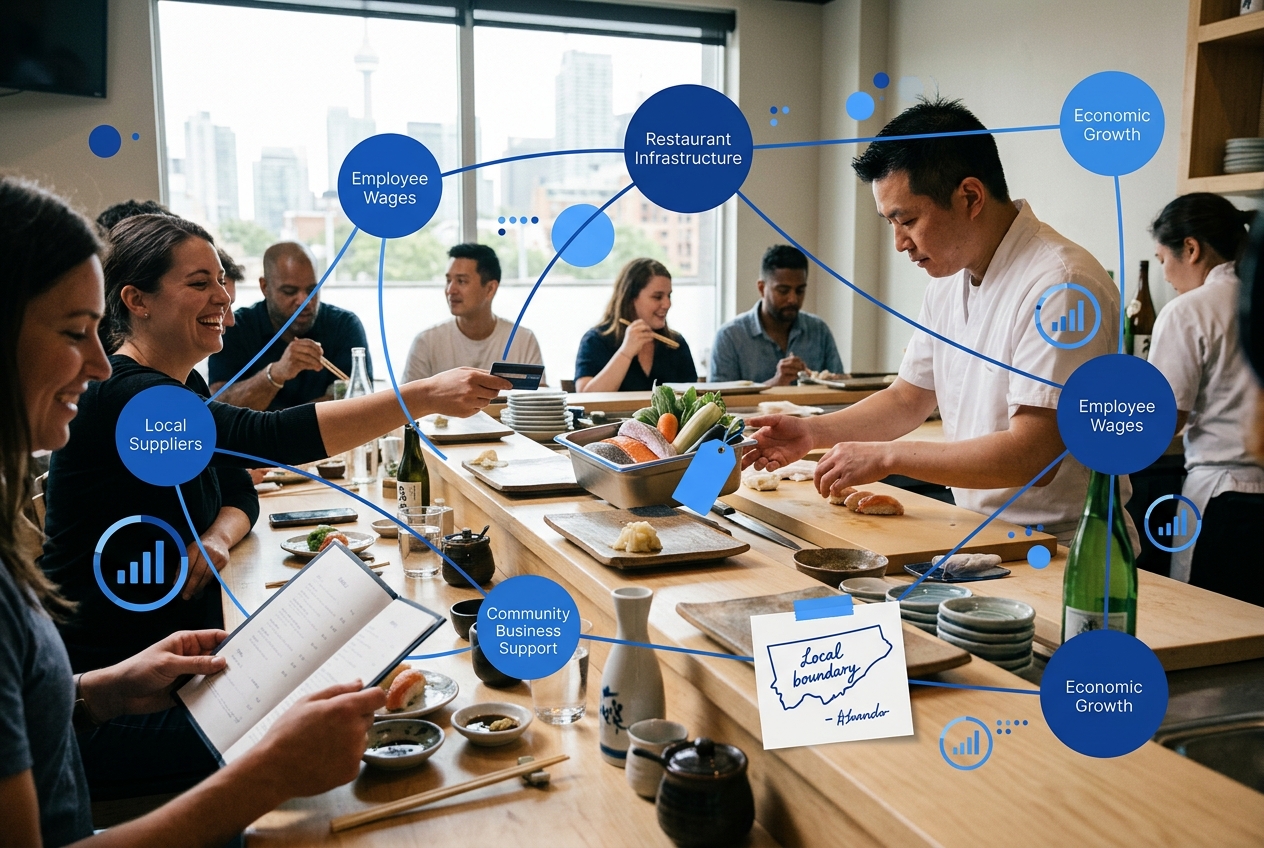
Toronto blends dense urban neighborhoods with vibrant food scenes from Kensington Market to the Danforth. Diners who grasp the real drivers behind sushi costs make choices that support the local economy and keep dollars circulating close to home. Toronto sushi restaurants reflect these pressures in their pricing structures.
Sushi Restaurant Fish Sourcing
Fresh seafood forms the largest single expense for sushi establishments. Restaurants import tuna, salmon, and eel from waters off Japan, Norway, or British Columbia, then pay for rapid air freight so the product reaches Toronto tables within days. These logistics add substantial sums because any delay compromises quality and forces waste. Local suppliers sometimes provide freshwater eel or limited Ontario lake fish yet the majority of premium items still travel long distances. Chefs inspect each shipment upon arrival and reject anything below standard so consistent quality drives the final menu cost. This sourcing reality explains why certain rolls command higher prices than others that rely on more accessible ingredients.
Seasonal availability creates further swings. Certain tuna species appear only during specific months which tightens supply and raises acquisition expenses during off periods. Restaurants absorb these fluctuations or pass them along in menu adjustments. Toronto chefs maintain relationships with multiple importers to secure steady deliveries yet each link in that chain carries its own markup. The result appears on the bill when diners order omakase or specialty nigiri that feature the rarest catches.
Toronto Rent and Location Impact
Prime real estate in neighborhoods like Yorkville, the Entertainment District, or near Yonge and Bloor commands steep monthly rents that sushi restaurants must offset. A compact storefront still carries six figure annual lease costs in these zones so each seat generates pressure to perform. Operators in areas with heavy foot traffic from office workers or tourists pay more yet gain volume that helps balance the books. Suburban stretches along the Sheppard line or in Mississauga offer lower rents but require extra marketing to draw customers from the core. The geographic choice therefore directly shapes what appears on the final check. Local spending keeps money in Toronto when residents choose nearby establishments over chains located farther out.
Many sushi spots occupy older buildings that need regular maintenance to meet health codes and customer expectations. Renovations for proper ventilation, refrigeration, and sushi counters add to the initial fit out expense which owners amortize over years of operation. Downtown density leaves little room for on site parking. Some venues therefore factor valet partnerships or nearby lot fees into their business model. These location driven realities vary sharply between a bustling spot near Union Station and a quieter venue in the west end.
Chef Wages and Staff Expenses
Experienced sushi chefs command competitive pay because years of training and precise knife skills remain scarce. Toronto competes with other major cities for talent. Restaurants therefore offer wages, benefits, and sometimes housing stipends that increase labor costs. Support staff including servers, hosts, and dishwashers add to the payroll while strict labor laws require overtime and vacation pay that further increase the burden. A busy weekend service demands extra hands which multiplies these expenses during peak periods. The final menu price reflects this skilled human element. No automation replaces it in authentic sushi preparation.
Training programs and certification for food safety create additional outlays. Chefs attend ongoing sessions on proper fish handling and temperature control to satisfy municipal requirements. High staff turnover in the hospitality sector forces repeated recruitment and onboarding which adds hidden costs. Restaurants that invest in stable crews see lower long term expenses yet still face the reality of Toronto living costs that push wages upward. Diners notice the difference in service quality that results from these investments.
Equipment, Ingredients, and Operations
Specialized tools such as rice cookers, sharp knife sets, refrigerated display cases, and sushi mats represent significant upfront and replacement costs. Energy bills run high because refrigeration units operate around the clock to keep seafood at safe temperatures in a city that experiences hot humid summers. Packaging for takeout orders, cleaning supplies, and waste disposal fees accumulate steadily throughout the month. Many establishments maintain extensive beverage programs with sake selections and Japanese whiskeys that require climate controlled storage and licensing fees. These operational details compound and influence the baseline cost structure for every order.
Insurance premiums protect against liability in a business that serves raw protein so coverage forms another fixed monthly expense. Point of sale systems, reservation software, and delivery platform commissions add technology costs that did not exist a generation ago. Restaurants balance these needs against the desire to keep menu prices accessible for regular Toronto customers who live in diverse neighborhoods from Scarborough to Etobicoke. Smart operators track every line item so they maintain healthy margins without alienating the local clientele that forms their backbone. Toronto sushi spots navigate these pressures daily while contributing to the economic multiplier that rewards community focused spending.
Understanding these cost factors helps residents appreciate the value behind their favorite sushi experiences. When locals support independent restaurants they strengthen the city economy and encourage continued high standards across the category. The next time a menu seems expensive remember the fresh fish flown in overnight, the downtown lease, and the trained hands that prepare each piece with care.