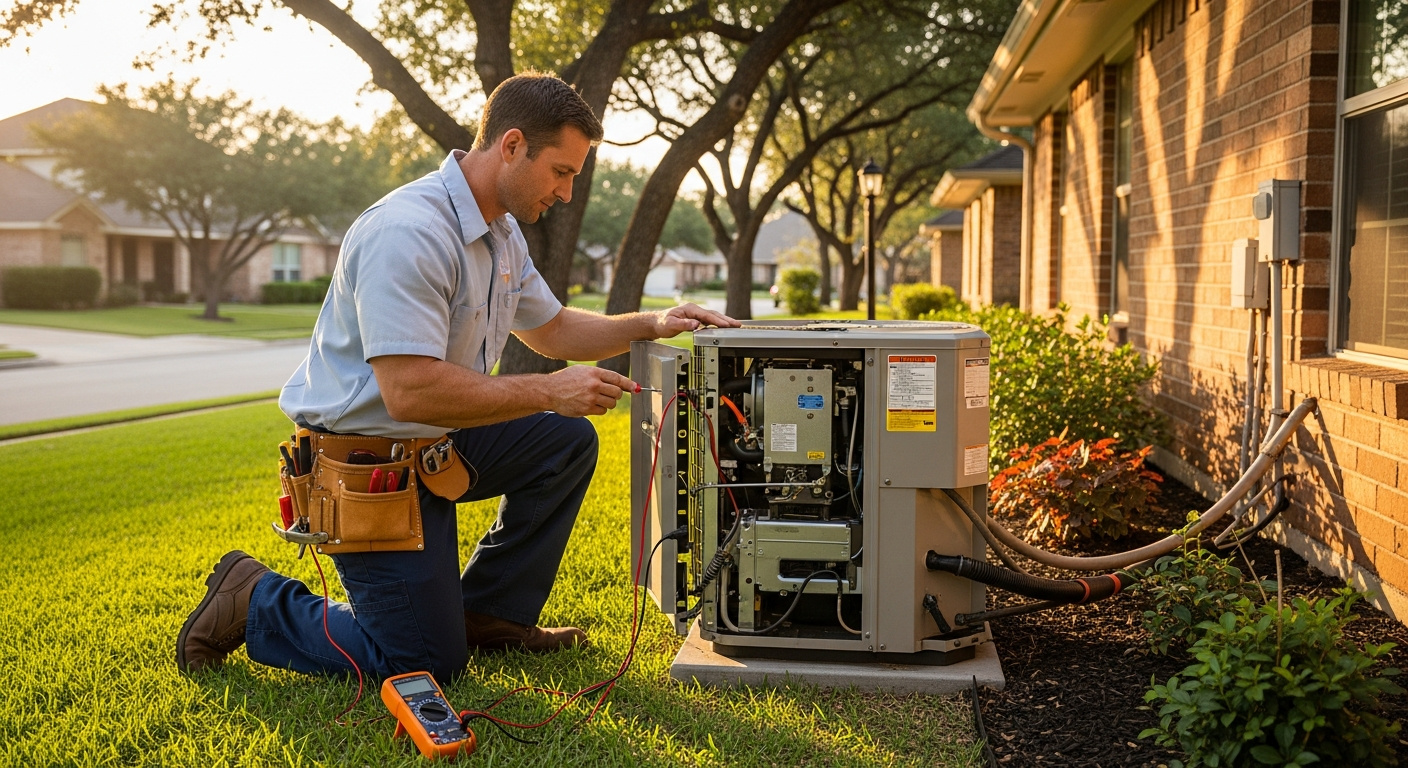
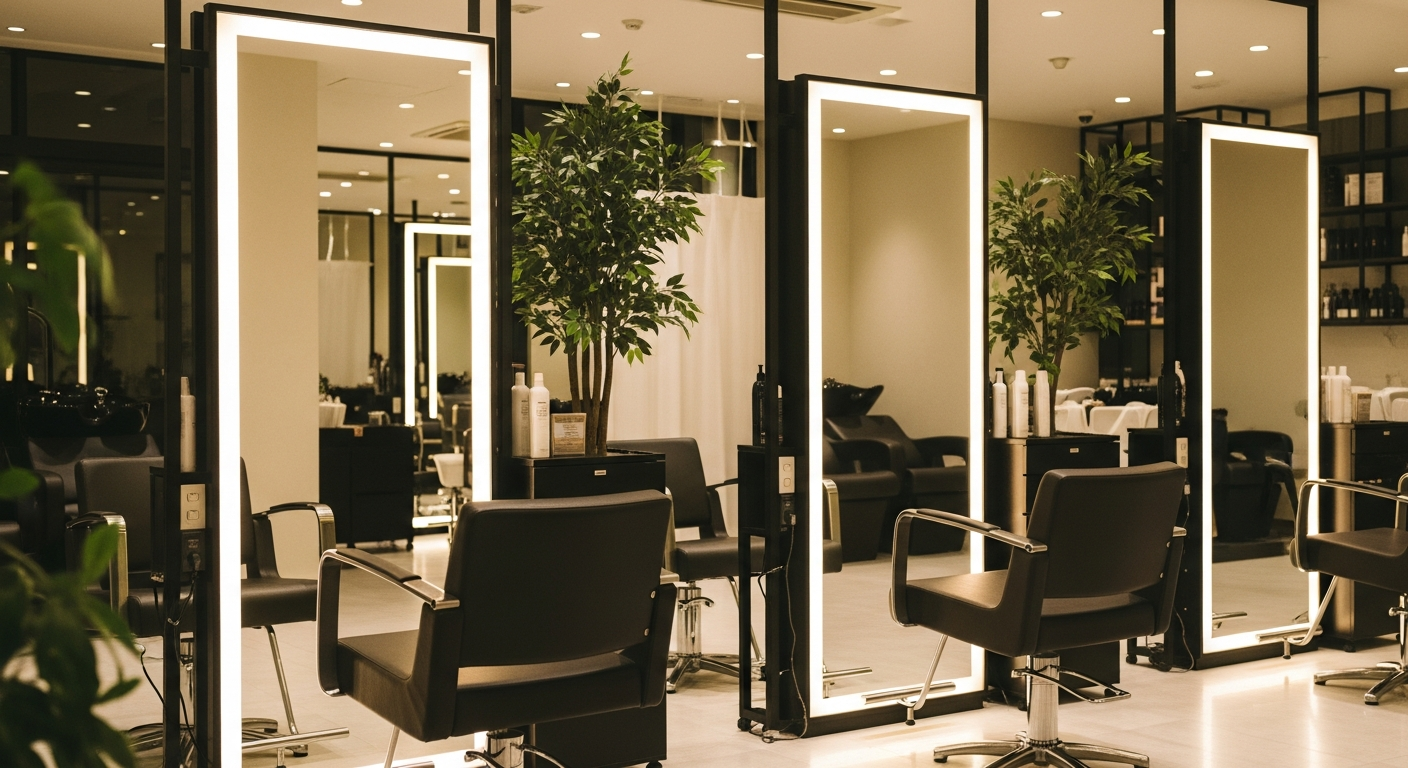
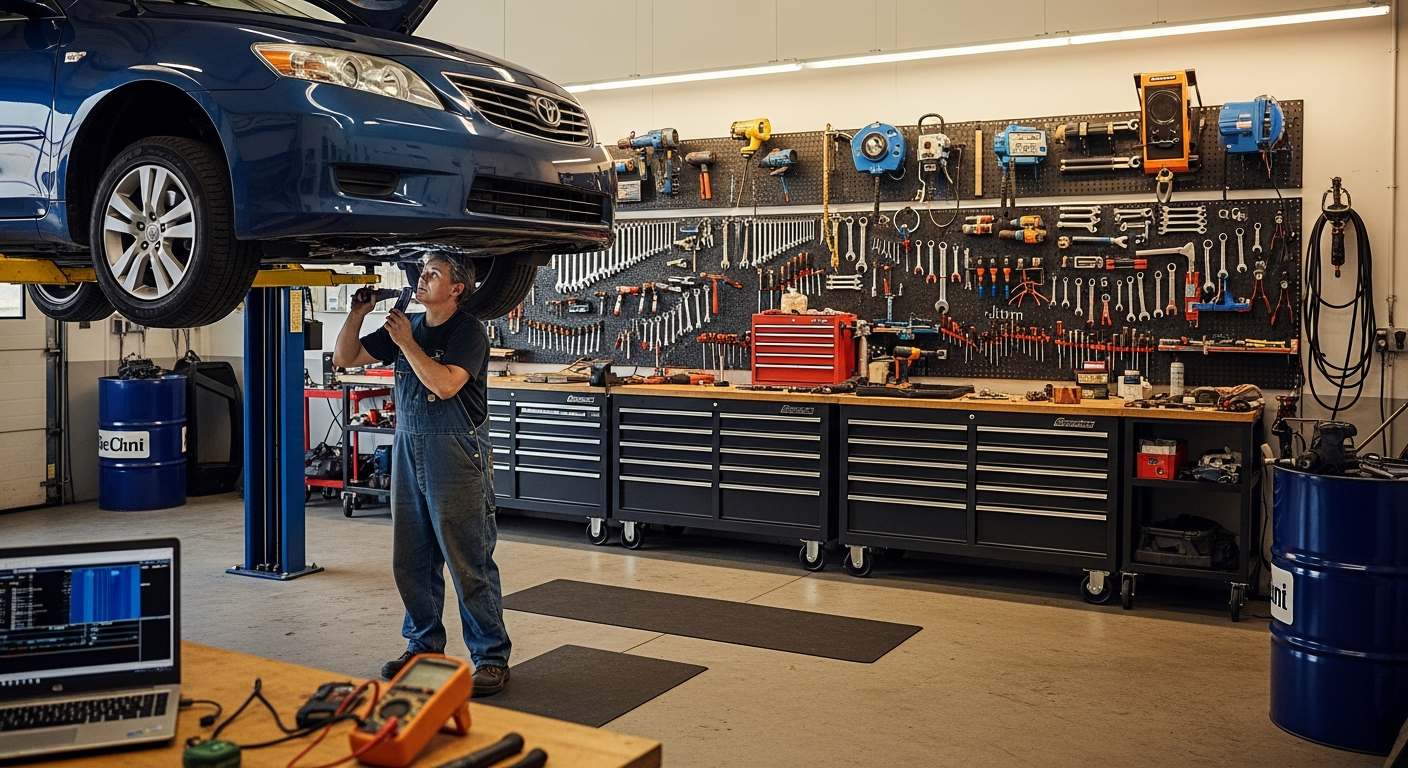
Local businesses in Austin, TX listed on 30xlocal.com

About Austin, TX

Austin's dynamic economy demonstrates the profound power of local investment. The city experiences rapid population growth, exceeding 1 million residents in 2023. This expansion directly fuels a vibrant local business ecosystem. Independent enterprises account for a substantial portion of Austin's economic activity, fostering significant job creation and localized wealth distribution. A dollar spent at a local Austin business circulates an estimated 2 to 3 times more within the regional economy compared to national chains. This increased velocity of money amplifies economic benefits across sectors.

This elevated recirculation rate directly translates into tangible community benefits. Local businesses collectively support over 350,000 jobs across the Austin metropolitan area, representing a significant employment base. They generate substantial tax revenue, funding vital public services such as infrastructure improvements, public safety, and education. Austin's distinctive culture and innovative spirit derive much strength from its thriving independent sector. Residents directly multiply their economic impact by choosing local options, strengthening the city's economic resilience and fostering sustainable growth for future generations.

Neighborhoods and Landmarks in Austin

South Congress Avenue (SoCo)

Austin's signature independent business corridor runs 1.5 miles from the Congress Avenue Bridge south through a walkable district of boutiques, restaurants, food trucks, and vintage shops. The avenue hosts First Thursday street festivals monthly.

East 6th Street District

The East Side's creative business corridor extends from I-35 east through a converted warehouse district. Independent restaurants, coffee roasters, craft breweries, and design studios occupy renovated industrial spaces.

Barton Springs Pool

A natural spring-fed swimming pool in Zilker Park maintained at 68 degrees year-round. The springs anchor the surrounding Barton Hills neighborhood and its independent restaurants and outdoor recreation businesses.

Mueller Development

A 700-acre mixed-use community built on a former airport site in Northeast Austin. The development prioritizes locally owned retail and restaurants in its commercial spaces, including the Thinkery children's museum and Mueller Farmers Market.

North Loop District

A compact neighborhood commercial district along North Loop Boulevard featuring independent record stores, vintage shops, and restaurants. The district maintains a deliberate small-scale, pre-chain character.

Rainey Street Historic District

A collection of converted bungalows south of downtown transformed into independent bars, restaurants, and food truck courts. The district preserves 1930s residential architecture while supporting nightlife and dining businesses.

Upcoming Events in Austin

Mar 13

SXSW (South by Southwest)

Austin Convention Center and venues citywide

Annual 10-day festival bringing 400,000 attendees to Austin for music, film, and interactive technology events. Independent restaurants and bars across the city host official and unofficial events throughout the festival.

Oct 1

Austin City Limits Music Festival

Zilker Park, Austin

Two-weekend music festival in Zilker Park drawing 75,000 attendees daily. Local food vendors and restaurants operate booths inside the festival grounds and run specials at their brick-and-mortar locations citywide.

Every Sunday

SFC Farmers Market at Mueller

Mueller Town Center, Austin

Year-round farmers market operated by the Sustainable Food Center featuring 60+ local farm and food vendors. The market anchors the Mueller neighborhood's weekly community gathering.

May 2

Pecan Street Festival

6th Street, Austin

Biannual arts and crafts festival on historic 6th Street featuring 200+ local artisans, food vendors, and live music stages. The free festival draws 250,000 visitors each event.

Sep 12

Texas Craft Brewers Festival

Palmer Events Center, Austin

Annual showcase of 200+ Texas craft breweries, many of them Austin-based independent operations. The festival highlights the city's position as Texas's craft beer capital.

Restaurants & Dining in Austin

Franklin Barbecue

Franklin Barbecue

900 E 11th St, Austin, TX

(512) 653-1187

Award-winning Texas barbecue with post-oak smoked brisket in East Austin.

Odd Duck

Odd Duck

1201 S Lamar Blvd, Austin, TX

(512) 433-6521

Retail & Shopping in Austin

Home Services in Austin

Beauty & Grooming in Austin

Automotive in Austin

Professional Services in Austin

Tips for Finding Local Businesses in Austin

How does supporting Austin's independent culinary scene enhance local economic vitality?

Supporting Austin's independent culinary scene directly fuels significant local economic vitality. Neighborhoods like South Congress, East Austin, and Burnet Road host hundreds of unique restaurants, cafes, and food trucks. These businesses collectively employ thousands of residents, from chefs and servers to suppliers and delivery personnel. Many establishments prioritize local sourcing, purchasing produce from Texas farms and ingredients from local artisans. This practice keeps more money circulating within the state economy, creating a ripple effect that benefits farmers, distributors, and other small businesses. Each dollar spent at an independent eatery generates approximately 2.5 times more local economic activity than a dollar spent at a chain restaurant.


What specific impact does local spending have on Austin's creative industries and cultural identity?

Local spending directly preserves and strengthens Austin's renowned creative industries and unique cultural identity. The city's 250+ live music venues, independent art galleries, and artisan shops represent a substantial economic force. Consumers purchasing tickets to local concerts or buying art from Austin-based creators directly support thousands of musicians, artists, and cultural workers. This patronage helps maintain Austin's "Live Music Capital of the World" status and its "Keep Austin Weird" ethos. Small creative businesses recirculate an estimated 70% of their revenue locally. This investment sustains a diverse cultural landscape, attracting tourists and fostering a vibrant community for residents, further multiplying economic benefits.

How do Austin's neighborhood-specific retail districts contribute to the city's economic multiplier effect?

Austin's distinct neighborhood retail districts significantly amplify the city's economic multiplier effect. Areas such as North Loop, Zilker, and Clarksville feature concentrations of independent boutiques, bookstores, and service providers. These businesses often employ local residents, keeping wages within the community. They pay local property taxes, contributing directly to city services and infrastructure improvements. Small retail businesses also foster a stronger sense of community, increasing neighborhood desirability and property values. Every dollar spent at these local shops has a higher propensity to stay and recirculate locally, supporting a more resilient and self-sufficient neighborhood economy. This localized spending model drives sustainable growth.