Smorgasburg LA
ROW DTLA, Downtown Los Angeles
Weekly outdoor food market featuring 100+ independent food vendors from across LA County. The market rotates vendors seasonally to spotlight emerging local food businesses.
Los Angeles stands as an economic powerhouse, home to over 290,000 small businesses. These independent enterprises collectively contribute an estimated $700 billion to the regional gross domestic product annually. Every dollar spent at these local establishments circulates within the economy at an accelerated rate. Research shows 68% of money spent at local businesses remains within the community, compared to 43% from non-local chains. This substantial difference demonstrates the direct economic multiplier effect.
The city's diverse local economy, spanning from Hollywood's independent studios to Leimert Park's cultural shops, significantly impacts neighborhood vitality. Local businesses support over 4.7 million jobs across Los Angeles County, representing 47% of the total workforce. These operations generate essential tax revenues, funding public services like schools and infrastructure projects. Residents choosing local merchants directly strengthens their immediate surroundings, creating a measurable economic ripple effect through their purchasing power.
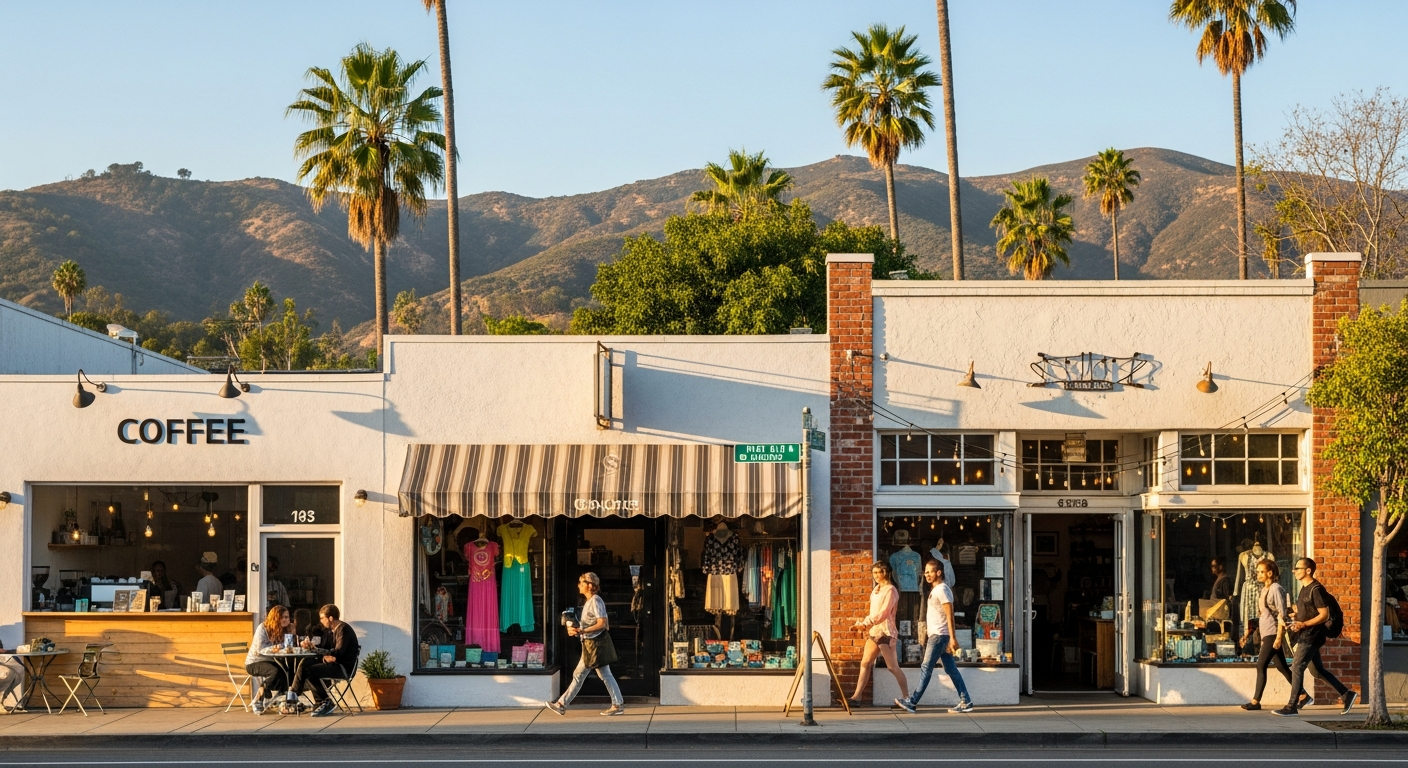
An east-side neighborhood anchored by Sunset Junction, where independent coffee roasters, vintage shops, and farm-to-table restaurants line Sunset Boulevard and Rowena Avenue. The area's 1920s architecture houses creative businesses and design studios.
A 30,000-square-foot food hall in downtown LA operating since 1917. Over 40 independent food vendors serve dishes from Oaxacan mole to Thai boat noodles, representing the city's culinary diversity under one roof.
A two-block stretch along Sawtelle Boulevard on the Westside featuring independently owned Japanese restaurants, ramen shops, mochi bakeries, and specialty grocery stores serving the neighborhood since the 1920s.
A former industrial zone east of downtown converted into galleries, independent restaurants, craft breweries, and creative studios. The neighborhood's warehouse architecture now houses over 100 independently owned businesses.
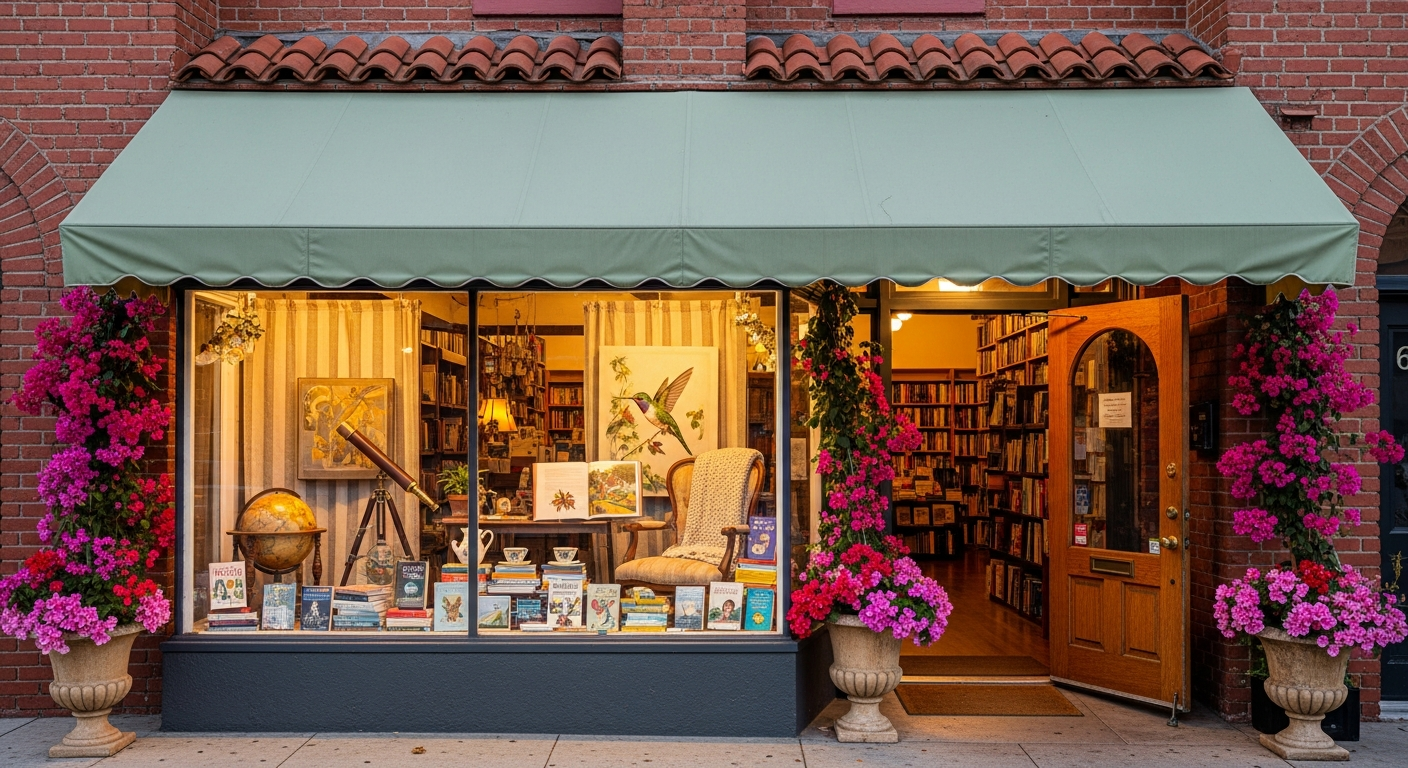
A northeast LA neighborhood along Figueroa Street and York Boulevard where independent bookstores, coffee shops, vintage stores, and restaurants occupy early 20th-century commercial buildings.
Venice's two commercial corridors serve different audiences. The boardwalk draws tourists with independent vendors and street performers. Abbot Kinney Boulevard hosts upscale independent boutiques, restaurants, and design shops ranked among the best shopping streets in America.
ROW DTLA, Downtown Los Angeles
Weekly outdoor food market featuring 100+ independent food vendors from across LA County. The market rotates vendors seasonally to spotlight emerging local food businesses.
Various routes across Los Angeles
Open streets event that closes major boulevards to car traffic, allowing residents to walk, bike, and discover businesses along the route. Each event covers 6-10 miles and passes hundreds of independent shops and restaurants.
Sunset Triangle Plaza, Silver Lake
Weekly artisan market in Silver Lake featuring local makers, vintage dealers, and independent food vendors. The market operates year-round in Sunset Triangle Plaza.
Pasadena Rose Bowl
Annual celebration of LA's street food culture featuring 80+ food trucks and vendors. The festival highlights independent operators who build businesses from mobile kitchens.
Abbot Kinney Blvd, Venice
Annual street festival along Venice's Abbot Kinney Boulevard featuring independent retailers, restaurants, live music, and local artists. Over 50,000 attendees visit the mile-long stretch.
Spending at neighborhood businesses in Los Angeles directly injects capital into specific communities. For example, a purchase at a small cafe in Silver Lake or a boutique in Larchmont Village keeps approximately 70% of that money circulating locally. This investment supports local job creation, maintaining employment for thousands of residents. Tax revenues generated by these transactions fund essential local services, including park maintenance and public safety initiatives. Each transaction contributes to the economic health of districts like the Arts District Downtown or Venice Beach, fostering vibrant commercial corridors. Local businesses often source goods and services from other local providers, amplifying the economic impact across multiple sectors.
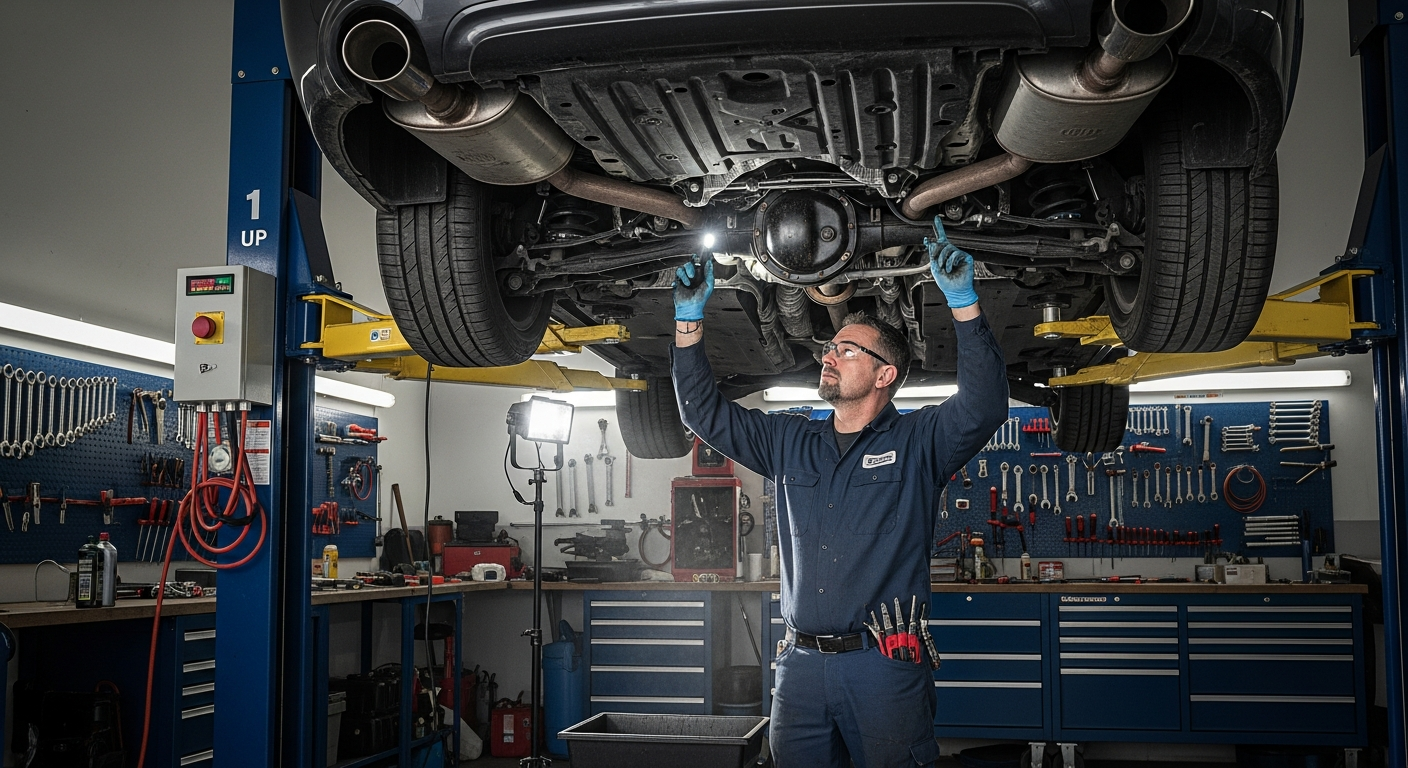
Independent restaurants, artisan retail, and specialized service providers consistently offer a strong multiplier effect for community investment in Los Angeles. Local eateries, from Koreatown's family-owned diners to Santa Monica's farm-to-table establishments, frequently source ingredients from regional farms and suppliers. This practice keeps a larger share of the revenue within the local food system. Artisan shops, such as those in the Atwater Village or Highland Park areas, employ local craftspeople and often purchase materials from regional distributors. Service businesses like independent salons, dry cleaners, and auto repair shops retain a high percentage of their earnings locally, directly supporting local families and neighborhood economies.

Los Angeles residents collectively create a substantial economic impact by consistently choosing local businesses. Every $100 spent at an independent local business generates an additional $68 in local economic activity, compared to $43 from national chains. This cumulative effect supports hundreds of thousands of local jobs annually, stabilizing neighborhood employment figures. Increased local business revenue translates into higher property and sales tax collections, directly benefiting city services such as schools, libraries, and street maintenance. Residents' purchasing decisions collectively foster a more resilient and equitable local economy, ensuring local capital stays within the community to support its growth and development.