Local businesses in Miami, FL listed on 30xlocal.com

About Miami, FL

Miami's economic vitality thrives on local engagement. Over 60,000 small businesses anchor its diverse economic landscape, spanning from finance to the arts. Resident spending at these independent establishments generates a significant local multiplier effect. For every $100 spent at local Miami businesses, an estimated $70 stays within the local economy, circulating through wages, local supplies, and other community services. This direct reinvestment supports neighborhood prosperity across Miami-Dade County, demonstrating how local consumer choices directly shape the city's financial resilience.

Miami's dynamic neighborhoods, from the historic charm of Little Havana to the artistic pulse of Wynwood, demonstrate concentrated local spending power. Independent retailers, restaurants, and service providers collectively contribute over $20 billion annually to the local economy. This substantial sum directly translates into local job creation, supporting approximately 300,000 area jobs. Understanding these spending patterns empowers consumers to multiply the positive impact of their everyday transactions, fostering a stronger, more interconnected local economy.

Neighborhoods and Landmarks in Miami

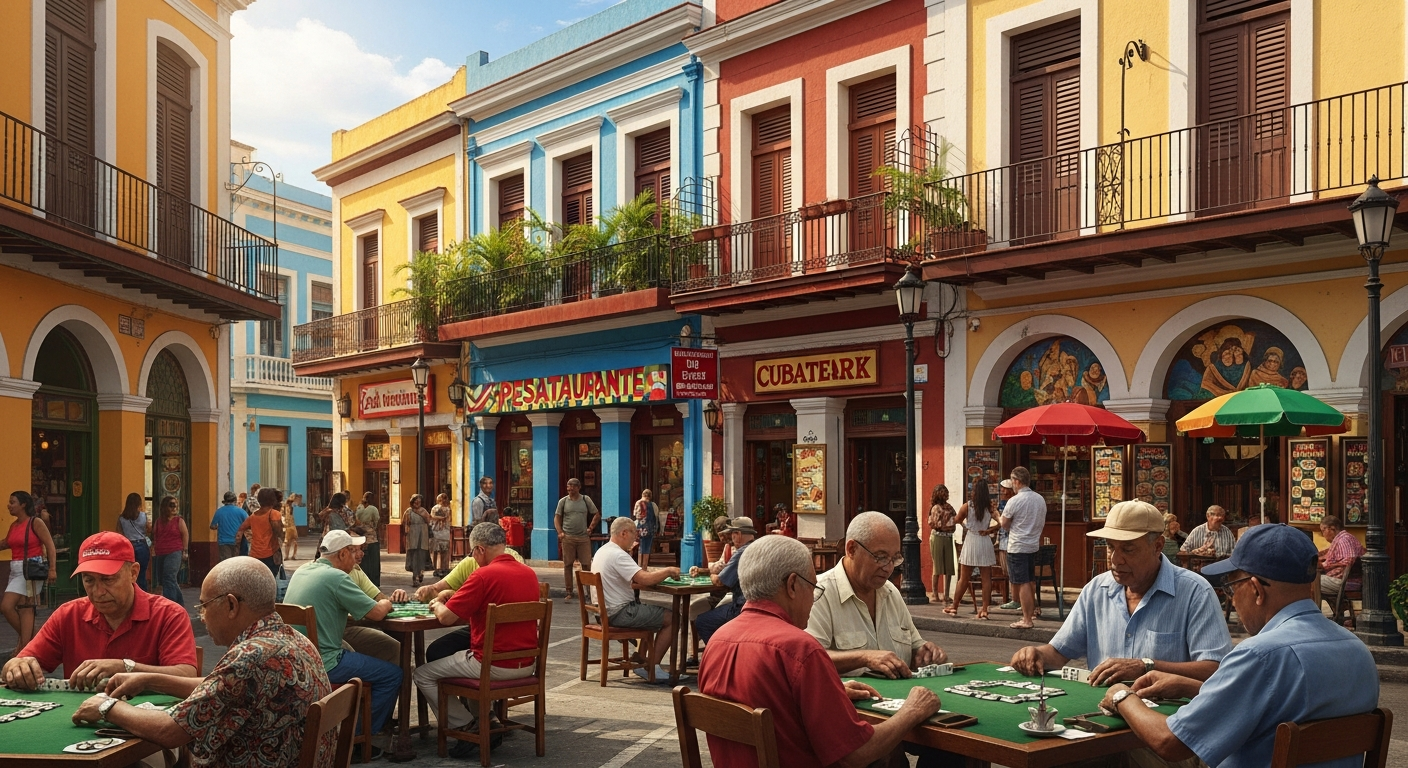
Little Havana. Calle Ocho (SW 8th Street) serves as the commercial spine of Miami's Cuban community, hosting independently owned restaurants, cafeterias, cigar shops, fruit stands, and domino parks. The corridor stretches 15 blocks from SW 12th to SW 27th Avenue.

Wynwood Arts District. A former warehouse district transformed into an outdoor gallery and independent business hub. Over 70 art galleries, independent restaurants, and creative studios operate alongside the Wynwood Walls outdoor mural collection.

Design District. A 18-block neighborhood north of Midtown featuring independently owned design showrooms, art galleries, and restaurants alongside luxury retail. The district hosts monthly art walks drawing 5,000+ visitors.

Coconut Grove. Miami's oldest continuously inhabited neighborhood operates a walkable village center with independent restaurants, boutiques, and marine supply businesses serving the adjacent sailing and boating community.

Little Haiti. The cultural center of Miami's Haitian community along NE 2nd Avenue features independent Creole restaurants, bakeries, botanicas, barbershops, and Caribbean grocery stores serving a community of 100,000+ Haitian Americans.

Coral Gables Miracle Mile. A half-mile stretch of independently owned restaurants, bridal shops, art galleries, and professional offices in the planned community of Coral Gables. The Mediterranean Revival architecture dates to the 1920s.

Upcoming Events in Miami

Mar 8

Calle Ocho Festival

SW 8th Street, Little Havana

The largest Hispanic street festival in the United States draws 1 million attendees along 23 blocks of Calle Ocho. Independent food vendors, musicians, and cultural organizations fill the street from noon to midnight.

2nd Saturday

Wynwood Art Walk

Wynwood Arts District, Miami

Monthly open gallery night in Wynwood where 50+ independent galleries open their doors simultaneously. The free event draws 10,000+ visitors who browse art and dine at neighborhood restaurants.

Feb 13

Coconut Grove Arts Festival

Coconut Grove, Miami

Three-day outdoor arts festival ranked among the top art shows in the United States. Over 300 independent artists exhibit alongside local food vendors and live music in Coconut Grove's village center.

Oct 17

South Beach Seafood Festival

Lummus Park, South Beach

Annual beachfront festival featuring 30+ independent Miami seafood restaurants competing for best dish honors. The festival highlights the city's independent restaurant community along the waterfront.

May 16

Little Haiti Book Festival

Little Haiti Cultural Complex

Annual literary festival celebrating Haitian and Caribbean culture through readings, panel discussions, and independent booksellers. The festival supports Little Haiti's independent business corridor along NE 2nd Avenue.

Restaurants & Dining in Miami

Home Services in Miami

Retail & Shopping in Miami

Health & Wellness in Miami

Beauty & Grooming in Miami

Tips for Finding Local Businesses in Miami

How does local dining in Miami contribute to the city's economic multiplier effect?

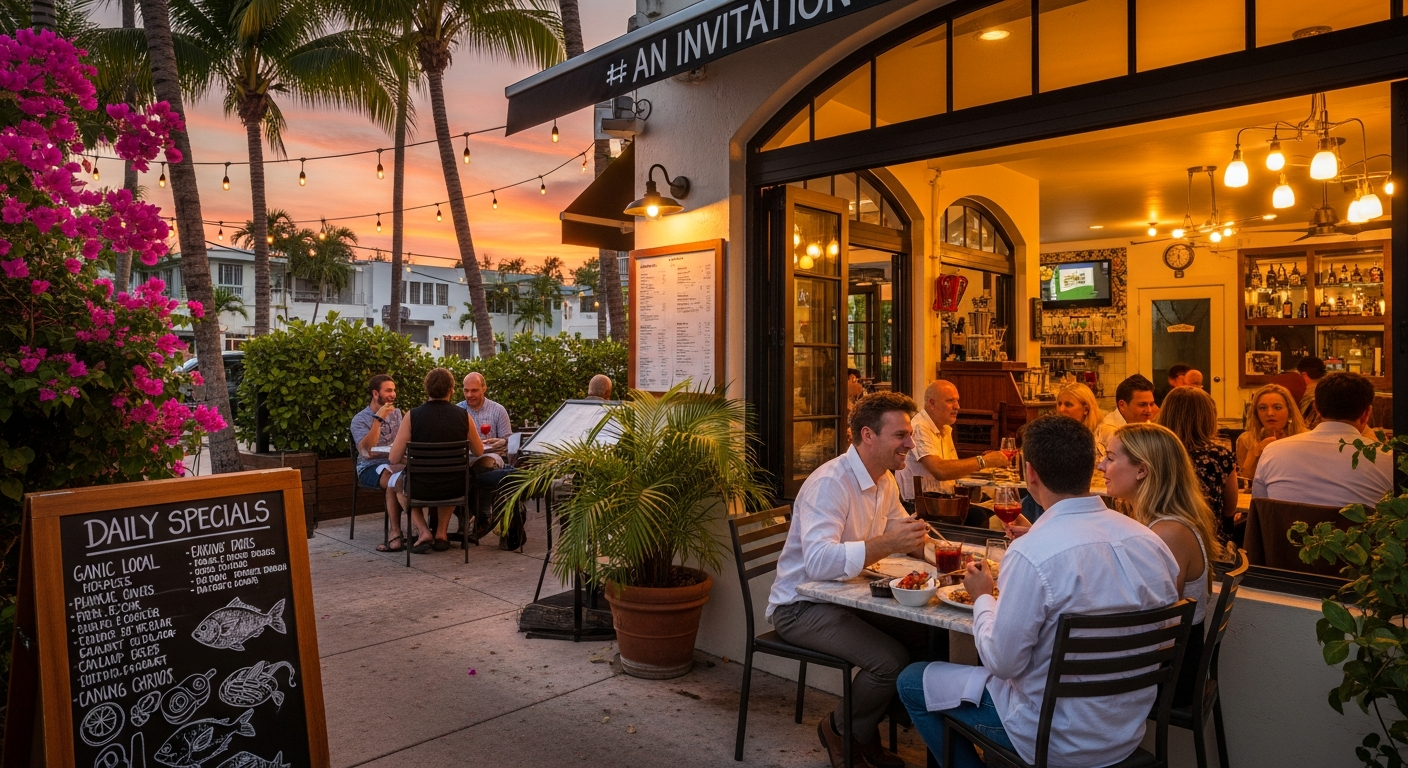
Miami's vibrant culinary scene fuels substantial local economic activity. Independent restaurants, cafes, and eateries often source ingredients from local farms and distributors. This practice keeps an estimated 65% more revenue within the Miami-Dade agricultural and supply chain sectors. Local diners spending $50 at a neighborhood restaurant indirectly supports up to three other local businesses. The hospitality industry employs over 120,000 residents, with a significant portion working in independently owned establishments. Each local meal purchased strengthens the financial fabric of neighborhoods like Coconut Grove and South Beach.

Which Miami neighborhoods exhibit the strongest local business spending multipliers?

Neighborhoods like Wynwood, Little Havana, and the Design District demonstrate particularly strong local business spending multipliers. Wynwood's independent galleries and boutiques attract both residents and visitors, directing an estimated 75% of visitor spending back into local artist wages and small business operations. Little Havana's family-owned bodegas and restaurants retain a high percentage of earnings within their community, supporting multiple generations of local entrepreneurs. The Design District's unique local retailers and showrooms create a concentrated economic hub, where local purchases recirculate at an elevated rate, fostering district-specific growth.

What impact do Miami's local service providers have on job creation and community wealth?

Miami's local service providers, including plumbers, electricians, and independent legal firms, significantly bolster local job creation and community wealth. These businesses hire locally, employing over 80% of their workforce from within Miami-Dade County. Their operating expenses, such as office supplies and marketing, often go to other local businesses, creating a direct ripple effect. For every $1,000 spent on local services, approximately $500 recirculates through local wages and supply chains. This direct economic activity supports thousands of local families, building foundational community wealth and stability across the metro area.